
World Turtle Day
World Turtle Day
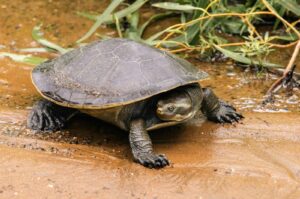
Celebrated every year on the 23rd of May, World Turtle Day is dedicated to raising awareness of turtles and tortoises worldwide. Turtles are often referred to as “gardeners of the sea” and are considered a keystone species.
Turtles appear to live simple lives. However, their daily habits are responsible for maintaining healthy and balanced environments. As threats to turtle populations continue to rise, this international day encourages communities to learn more about these vital species and conservation efforts that support them.
Why Turtles Matter
Turtles’ daily behaviours contribute significantly to the health of both marine and freshwater ecosystems. Turtles spend their days migrating long distances, looking for food, resting on seabeds and when they come to shore, they bask in the sun and lay eggs. All of these behaviours support ecological balance in ways that are often unseen but incredibly important.
In marine environments, they help maintain healthy seagrass beds by acting as underwater lawn mowers. Seagrass beds provide habitat for countless marine species and help improve water quality. Some turtle species also regulate jellyfish populations by feeding, which helps prevent imbalances in the food chain. Even failed turtle nests are not wasted in nature. When turtles nest on beaches, nutrients from unhatched eggs enrich coastal ecosystems and support surrounding plant life.
The Importance of Turtles and Wetlands
Freshwater turtles also play a vital role for wetlands, acting as natural cleaners and indicators for the habitat. As they move through shallow waters, they feed on dead and decaying organic matter which helps recycle nutrients and keep ecological balance in check. But their importance doesn’t just rely on their hunger.
Because they are highly sensitive to environmental changes, turtles serve as indicators of environmental stress. This means that shifts in their population, behaviours and physical conditions will reflect the ecological quality of the habitat they’re in, well before it’s obvious to us humans.
Healthy wetlands are critical ecosystems that support biodiversity, filter pollutants, reduce flooding, and store carbon. Protecting freshwater turtles ultimately contributes to the long-term health and resilience of these environments.
Threats Facing Turtles
Turtles survived millions of years of natural disasters, predators, and climate shifts. However, turtles are facing increasing pressure from human activities. Plastic pollution, habitat loss, climate change, poaching and accidental capture in fishing operations continue to impact their population. These threats can lead to injury, starvation, loss of nesting habitats, and changes to hatchling survival rates.
How you can help
Because their threats stem from human activity, they can be mitigated.
Small everyday actions can help reduce threats to turtles and their habitats. Reducing plastic consumption, disposing of waste responsibly, and participating in local clean-up efforts can help prevent pollution from entering their home. Respecting nesting sites, reducing artificial light near beaches, and practising responsible boating and fishing can also help minimise disturbance to turtle populations.
If a turtle were born today, it could live until the 22nd century; that’s why keeping its environment safe is important.
At Dragonfly, we believe meaningful environmental outcomes begin with protecting and restoring the habitats that native wildlife depend on. This World Turtle Day is an opportunity to recognise the importance of the creatures we share our environment with, support conservation efforts, and contribute to healthier ecosystems for the future.
5 Fun Facts about Turtles:
- Turtles have existed for over 200 million years.
- Sea turtles actually cannot breathe underwater, but they can hold their breath and stay submerged in water for over seven hours!
- Turtles have no teeth; their mouths are designed to be sharp and beak-like to crush food.
- A turtle’s shell is a part of its skeleton and attached to their ribs, meaning they can not leave their shell anytime.
- Many Australian freshwater turtles are side-necked, which means that instead of pulling their necks straight back to hide in their shell, they fold their necks to the side under the shell.