
Chemical-Free Weed Management
Chemical-Free Weed Management
The growing demand
For decades chemicals have been administered into public spaces with the assumption that they are safe for people present and the surrounding environment. Quite recently there has been a change to this thinking and Australian Councils across the board are beginning to rethink the use of chemicals. Councils are investigating alternatives and seeking solutions that will have similar outcomes to the chemicals but without detrimental effects on individuals’ health and the environment.
Why use chemical-free?
Chemicals are used in the environment to reduce weed growth. When sprayed, the herbicide can come in contact with humans and animals via vectors such as spray drift or rain-washing. By practising chemical-free weed management, we can promote long-term sustainability and protect the health of humans and animals.
How we help
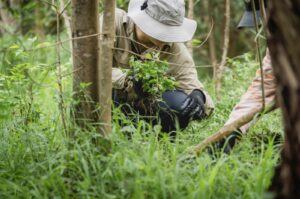
As an industry leader in ecological restoration, we exercise the many alternatives to chemical weed management. This includes mechanical and physical removal of weeds, heat treatments, habitat removal or alteration, and alternative herbicides that do not pose inherent risk.
We specialise in advanced thermal weeding techniques that utilise steam, saturated hot water and flame to treat resilient weeds. With our expertise and knowledge, we can conduct this even in sensitive riparian zones. Furthermore, we employ innovative solutions such as Hydro-Mechanical Obliteration (HMO) to physically rid of stubborn biomass by using high-pressure water. By implementing nonchemical management at the sites we work on, we can ensure the landscape remains sustainable.
Furthermore, we also practice techniques that prevent weed growth. We practice mulching garden beds with materials such as crushed sandstone to reduce the likelihood of weeds growing vigorously. This technique can also help allow native species to establish when planted.
Planting locally native species with dense growth can be carried out to reduce habitat and outcompete common herbaceous weeds and grasses. This method is most effective with maintenance, such as hand removal of grass weeds from densely planted areas to assist in the natural spread of native plants.
At Dragonfly, we prioritise environmental health and long-term ecological resilience. As we continue to refine these sustainable practices and alternatives, our goal is to protect our precious waterways and biodiversity while delivering high-standard horticultural results for the community.